

Introduction
Porting a game to new platforms is a strategic move for developers and publishers looking to maximize reach, revenue, and player engagement. How long it takes depends on scope, engine and the certification requirements of each platform holder. However, the porting process is not one-size-fits-all. Timelines can vary dramatically depending on the size of the game, the target platforms, and the resources allocated. At Making Port, we specialize in Unreal Engine porting for consoles, ensuring optimized performance and seamless player experiences.
In this article, we break down the key variables that influence porting timelines, typical durations for different project scopes, and the team sizes required for successful outsourcing and development.
Key Variables Affecting Porting Timelines
1. Game Size and Complexity
The size of the game is the most significant factor in determining how long a port will take. A 2D indie platformer with minimal assets will require far less time than an open-world AAA RPG with advanced physics, AI, and high-resolution textures. Key considerations include:
- Number of assets (models, textures, animations, audio files).
- Codebase complexity (custom engines, middleware, or proprietary tools).
- Game mechanics (multiplayer, procedural generation, VR/AR features).
2. Target Platforms
Each console (PlayStation, Xbox, Nintendo Switch) and platform (PC, mobile) has unique technical requirements:
- Hardware limitations: Older consoles may require extensive optimization to maintain performance.
- Platform-specific features: Utilizing DualSense haptics, Switch Joy-Con functionality, or Xbox Series X|S Quick Resume.
- Certification processes: Sony, Microsoft, and Nintendo each have rigorous TRC (Technical Requirements Checklist) compliance tests, which can add weeks to the timeline.
Typical Porting Timelines by Project Scope
1. Small Indie Games (2–4 Months)
- Examples: 2D platformers, puzzle games, visual novels.
- Team size: 1–2 Unreal Engine specialists.
- Key tasks:
- Platform guidelines compliance.
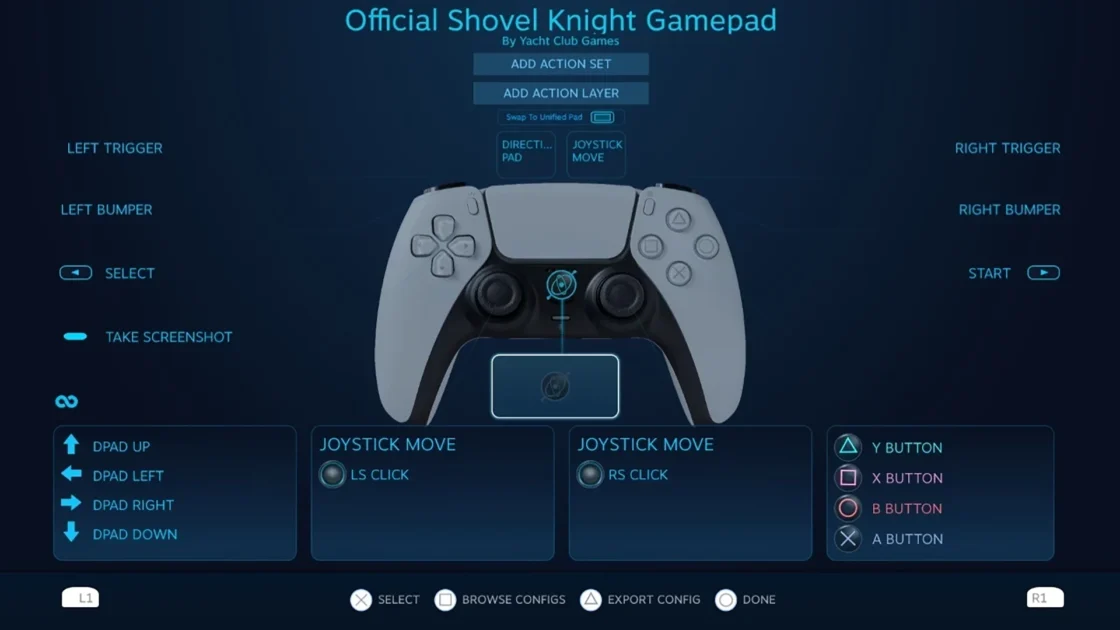
- Input remapping for controllers.
2. Indie Games (3–6 Months)
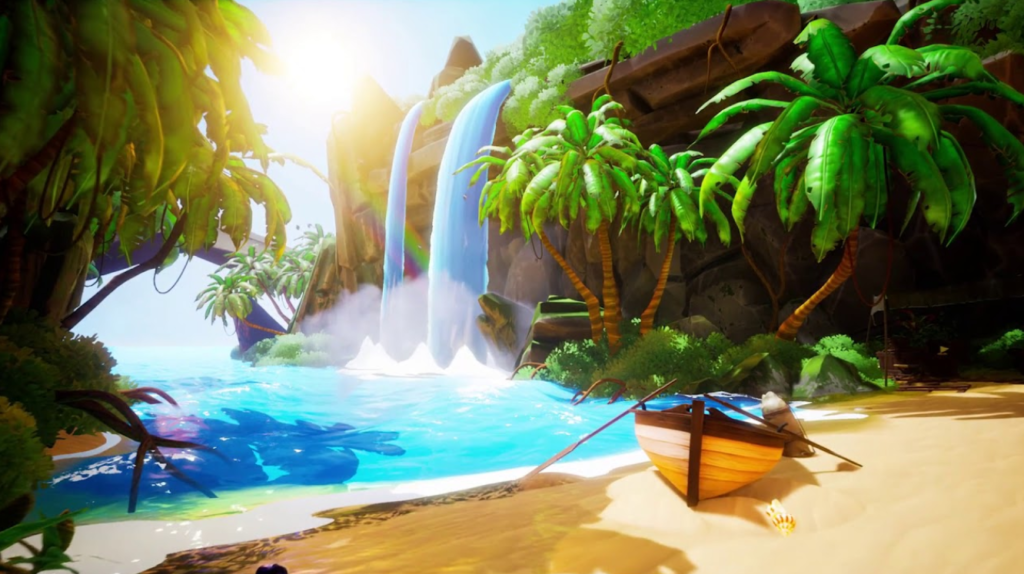
- Examples: 3D indies, narrative-driven adventures, roguelikes.
- Team size: 2–3 developers.
- Key tasks:
- Extensive optimization for target hardware.
- Platform guidelines compliance.
3. AA Games (5–10 Months)
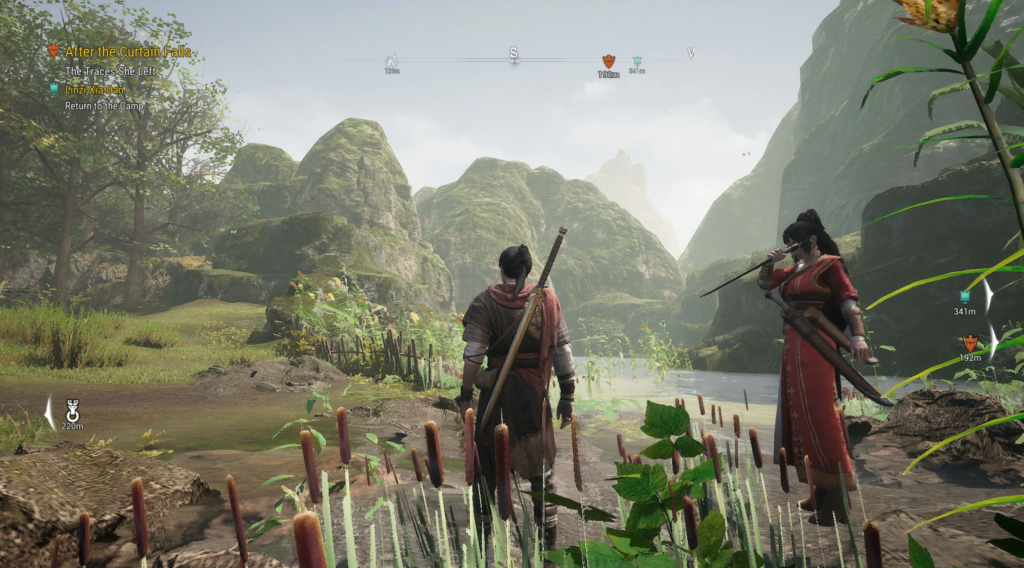
- Examples: Mid-sized RPGs, action-adventure games, competitive multiplayer titles.
- Team size: 2–4 engineers, including optimization experts.
- Key tasks:
- Asset adaptation and optimization for target hardware.
- Platform guidelines compliance.
- Basic performance testing and bug fixing.
4. AAA Games (10+ Months)
- Examples: Open-world RPGs, high-end shooters, live-service games.
- Team size: 4–8+ specialists (programmers, QA, optimization leads).
- Key tasks:
- Extensive optimization for target hardware.
- Platform guidelines compliance.
- Extensive performance testing and bug fixing.
Team Size: How Many People Work on a Port?
The number of professionals involved in a porting project scales with the game’s complexity:
Article: Game Porting Timelines – What to Expect When Bringing Your Game to New Platforms
Project Type | Team Size |
Small Indie | 1–2 people |
Indie | 2–3 people |
AA | 2–4 people |
AAA | 4–8+ people |
Why Outsource Your Porting Needs?
Outsourcing your porting project to a specialized studio like Making Port offers several advantages:
- Expertise: Deep knowledge of Unreal Engine and console requirements.
- Efficiency: Faster turnaround with dedicated teams.
- Cost-effectiveness: Avoid the overhead of hiring full-time specialists.
- Quality assurance: Rigorous testing to meet platform certification standards.
Conclusion
Porting a game is a nuanced process that demands careful planning, technical expertise, and a clear understanding of the development pipeline. Whether you’re an indie developer or a AAA studio, partnering with a porting specialist ensures your game reaches new audiences without compromising quality.
Planning your port
Timelines and certification are two different clocks running at once: our breakdown of certification timelines for game porting covers the second one. If you are still deciding who does the work, we compared both routes in porting in-house versus outsourcing. Making Port offers console porting services for Unreal Engine with a free port-readiness audit before any quote.