
Technical, production, and platform considerations from a console porting studio
Before committing to a porting schedule and budget, we run a technical evaluation to understand risk, workload, and the best path to ship on consoles. This is especially important for Unreal Engine projects, where platform constraints, rendering features, and certification requirements can change the plan dramatically.
Here’s the checklist we use when assessing a porting project.
1) Game Scope and “Real Size” of the Project
“Size” isn’t only about hours of gameplay. We look at:
- Content footprint: number of levels/maps, unique environments, and asset variety
- Runtime complexity: AI density, physics, streaming systems, save/load frequency
- Memory pressure: how often you’re near the limit on console targets
- Build size and patch strategy: package size, chunking, and future updates/DLC plans
Why it matters: the scope directly affects optimization time, memory tuning, and iteration speed during development.
2) Target Platforms and Required Deliverables
We define which platforms are required (and in what order), for example:
- PlayStation 5 / Xbox Series X|S
- Nintendo Switch (and any specific requirements for handheld constraints)
- PC storefront builds (sometimes needed for parity and certification test cases)
We also clarify whether you need:
- A single feature-parity port across all platforms
- Platform-specific features (e.g., activity cards, haptics, platform invites)
- Cross-play, cross-save, or shared backend functionality
Why it matters: each console has different performance envelopes, SDK/API differences, and certification expectations, this impacts planning and outsourcing decisions.
3) Engine Version, SDK Compatibility, and Upgrade Needs
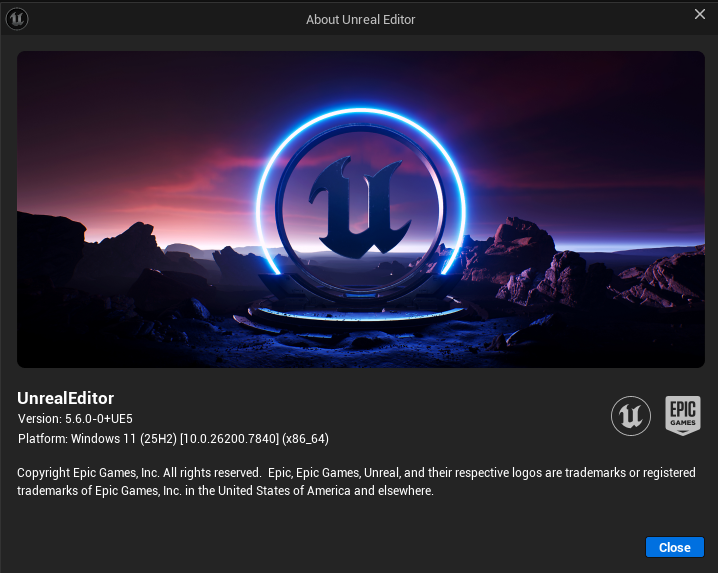
A critical early question: Do we need to update Unreal Engine to support the latest SDKs?
We evaluate:
- Current Unreal Engine version (and how far behind it is)
- Platform SDK requirements and tooling constraints
- Risk of upgrading (render pipeline changes, plugin breaks, build system changes)
Sometimes staying on the current version is faster. Other times, upgrading early prevents painful blockers later.
Why it matters: an engine upgrade can be a project on its own, so we quantify that risk upfront.
4) Custom Engine Modifications and Third-Party Dependencies

Many teams ship with:
- A custom Unreal fork
- Engine-level patches
- Custom rendering features
- Plugins with native code
- Middleware (audio, online services, analytics, anti-cheat, etc.)
We check:
- How cleanly the project merges with stock UE
- Whether key plugins are console-ready
- Any licensing or platform restrictions around third-party tech
Why it matters: custom engine changes can multiply porting complexity, especially across multiple consoles.
5) Development Status and Parallel Production Constraints
We identify whether the game is:
- Content-complete and stable
- Still in active feature development
- Requiring the porting team to work in parallel with the main developers
Parallel development is common, but it needs:
- Branching strategy (Perforce/Git flow, release branches)
- Clear ownership of systems
- A predictable integration cadence
Why it matters: porting in parallel reduces “end-of-project surprises,” but it requires strong coordination to avoid rework.
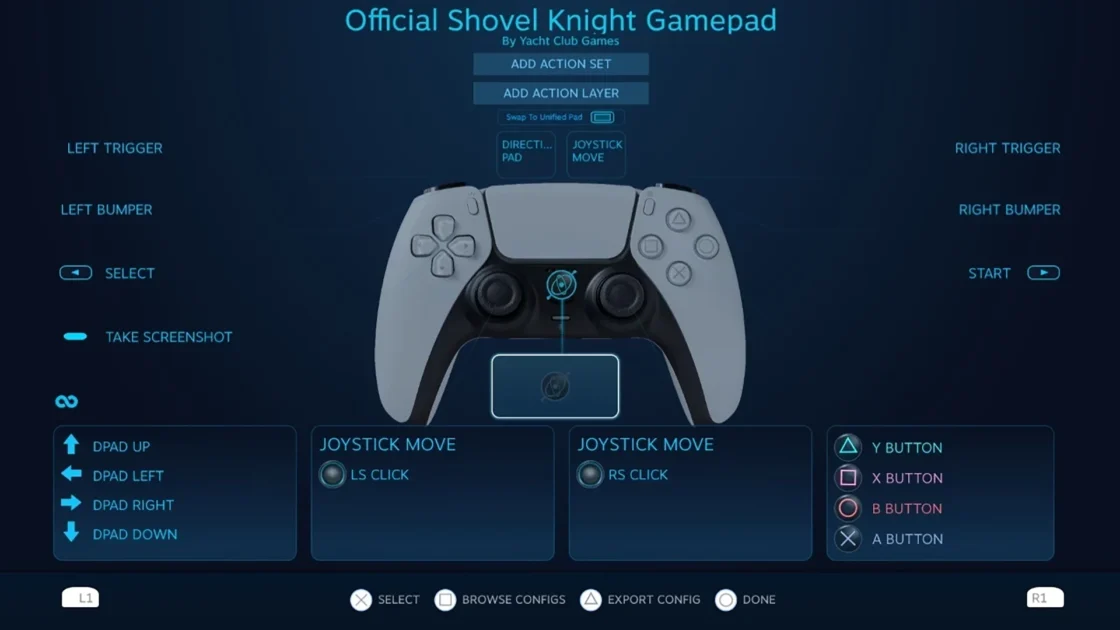
6) Input Systems, Controls, and Custom Bindings
Controls are frequently underestimated. We review:
- Whether controller support is already implemented
- If input is built on a flexible system (Enhanced Input, action mapping, etc.)
- Support for button remapping and “custom bindings”
- UI prompts and platform conventions (confirm/cancel differences, glyph sets)
Why it matters: consoles demand robust, consistent input behavior,and certification will catch common mistakes.
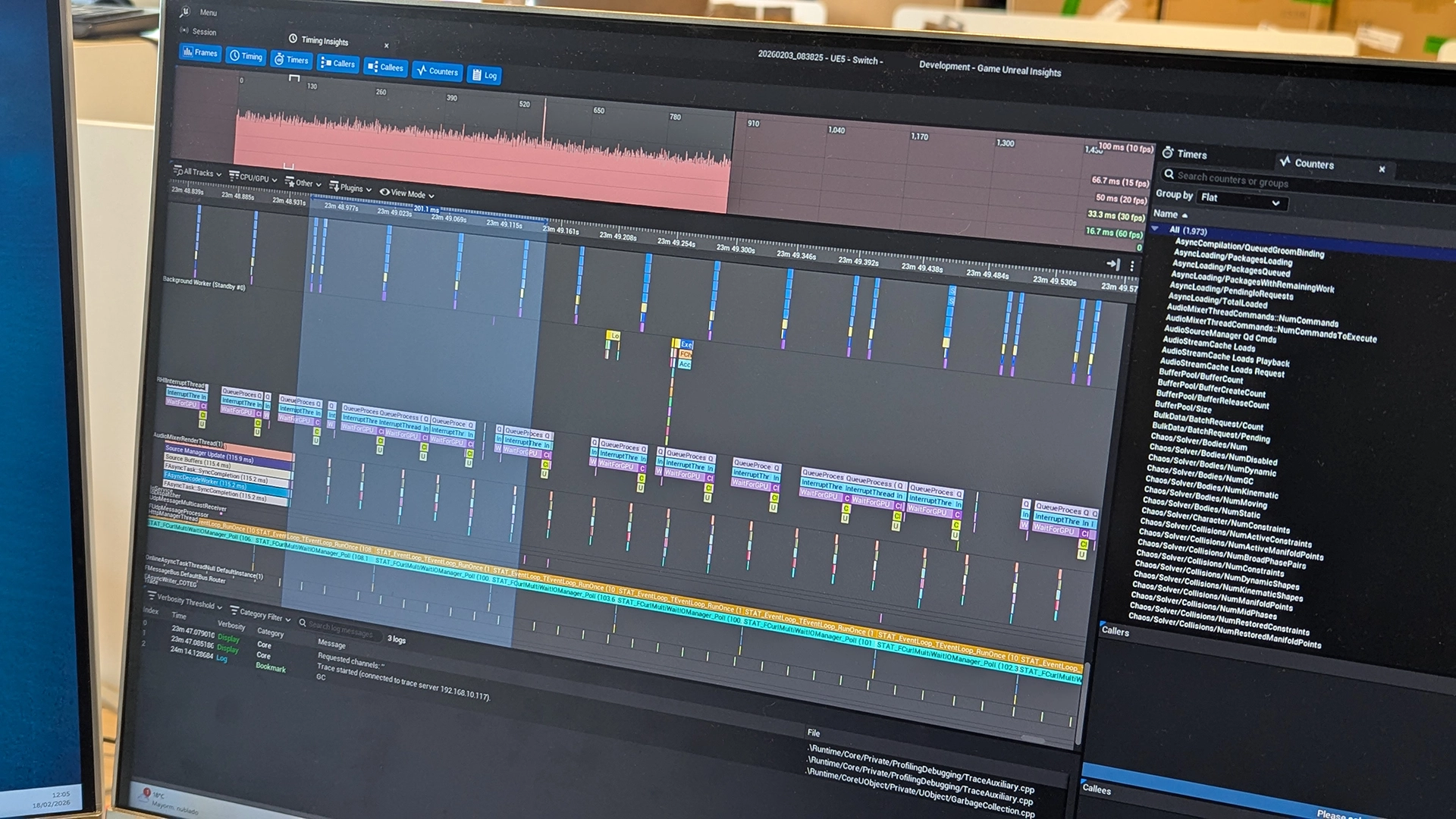
7) Current Optimization Level and Performance Risks
This is usually the biggest workload area. We profile and review:
- Geometry: poly count, LOD setup, culling, streaming
- Rendering features: Lumen, Nanite, virtual shadow maps, heavy translucency
- Textures & materials: texture sizes, streaming pools, material complexity
- VFX & particles: GPU particle cost, overdraw, Niagara budgets
- Post-processing: expensive chains, temporal effects, motion blur, DOF
- Shaders: permutations, compile counts, and runtime hotspots
- CPU bottlenecks: game thread spikes, physics, AI, animation cost
Why it matters: “it runs fine on PC” often hides bottlenecks that become critical on consoles, especially on handheld hardware.
8) Platform Guidelines and Certification (TRC / XR / Lotcheck)
We check for potential issues that commonly fail certification:
- Incorrect terminology (system messages, controller names, network messaging)
- Forbidden or misleading hardware imagery and button icons
- Save/load flows, error handling, storage permissions
- Suspend/resume behavior, user switching, sign-in states
- Network disconnect handling, offline fallbacks, entitlement checks
Why it matters: certification problems can delay launch more than performance issues if discovered too late.
9) Localization Structure and Terminology Adaptation
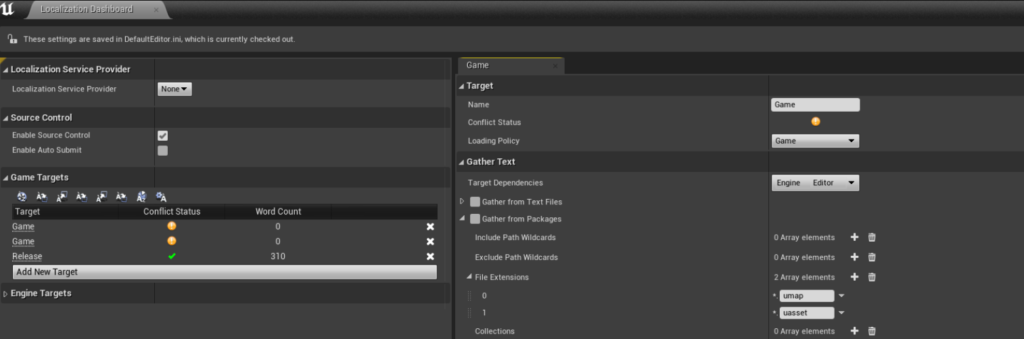
Localization affects certification, UX, and store readiness. We assess:
- How text is stored (Localization dashboard, string tables, data assets, external loc files)
- Whether the pipeline supports easy terminology overrides per platform
- Font coverage, text overflow handling, and UI scaling
- The effort required to add new languages (and test them properly)
Why it matters: consoles often have platform-specific terminology rules, and retrofitting localization late can be painful.
10) Online Services and Platform Features
We review what services are needed and what already exists:
- Achievements / Trophies / Gamerscore
- Stats, leaderboards, rankings
- User/account systems and platform identity usage
- Cloud saves, progression syncing
- Telemetry, crash reporting, compliance logging
We also check if there’s already a generic implementation that can be adapted across platforms, or if each console needs a custom approach.
Why it matters: platform services work is rarely “copy-paste,” and it impacts both schedule and QA.
Output of the Evaluation
A good porting evaluation should end with:
- A clear risk list (engine upgrade, plugin blockers, performance hotspots)
- A recommended platform order and milestone plan
- A realistic timeline and cost estimate
- A technical strategy for optimization and certification compliance
This is the foundation for a smooth porting production phase, whether you handle it internally or with an outsourcing partner specialized in console porting and optimization in Unreal Engine.
From evaluation to certification
Once the scope is clear, the risk moves to submission: see the ten certification pitfalls in console porting and the timelines to expect on each platform. Making Port runs a free port-readiness audit as part of its console porting services for Unreal Engine.